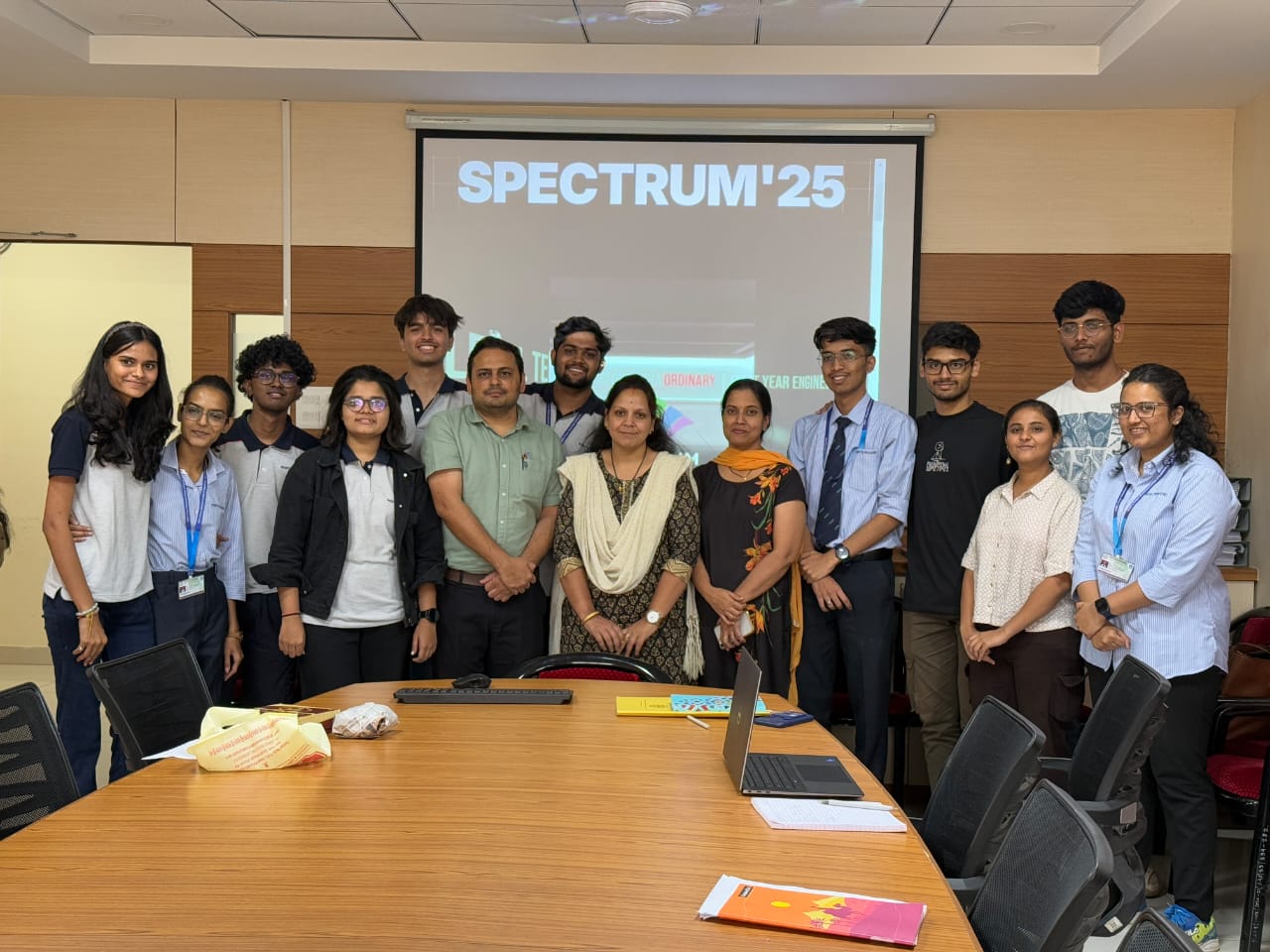
From Participant to Platform Builder
Few months ago, I was applying as a volunteer to Spectrum, Pune's largest and most prestigious techfest. Fast forward to this year, and I found myself on the other side – not as a hacker, but as the developer responsible for building the entire digital infrastructure that powered the event.
For those unfamiliar with Spectrum, it's an annual 48 hour tech fest where over 1,500 students from around the state comes together to build and innovate. The event provides comprehensive resources including mentorship, new friends, and food, allowing participants to focus entirely on creating and learning.
Building the Digital Ecosystem
Redesigning the Static Site
Our first major task was revamping the event website to align with this year's dreamy, nostalgia-inspired theme that encouraged hackers to think big. The website serves as the primary touchpoint for participants, sponsors, and the broader tech community, making it crucial for capturing the essence of the event.
I led the development of the entire website, ensuring it was not just visually appealing but also optimized for performance and accessibility. The site featured dynamic sections highlighting previous participants' testimonials, sponsor showcases, and interactive elements that brought our theme to life.
Streamlining Registration and Payments
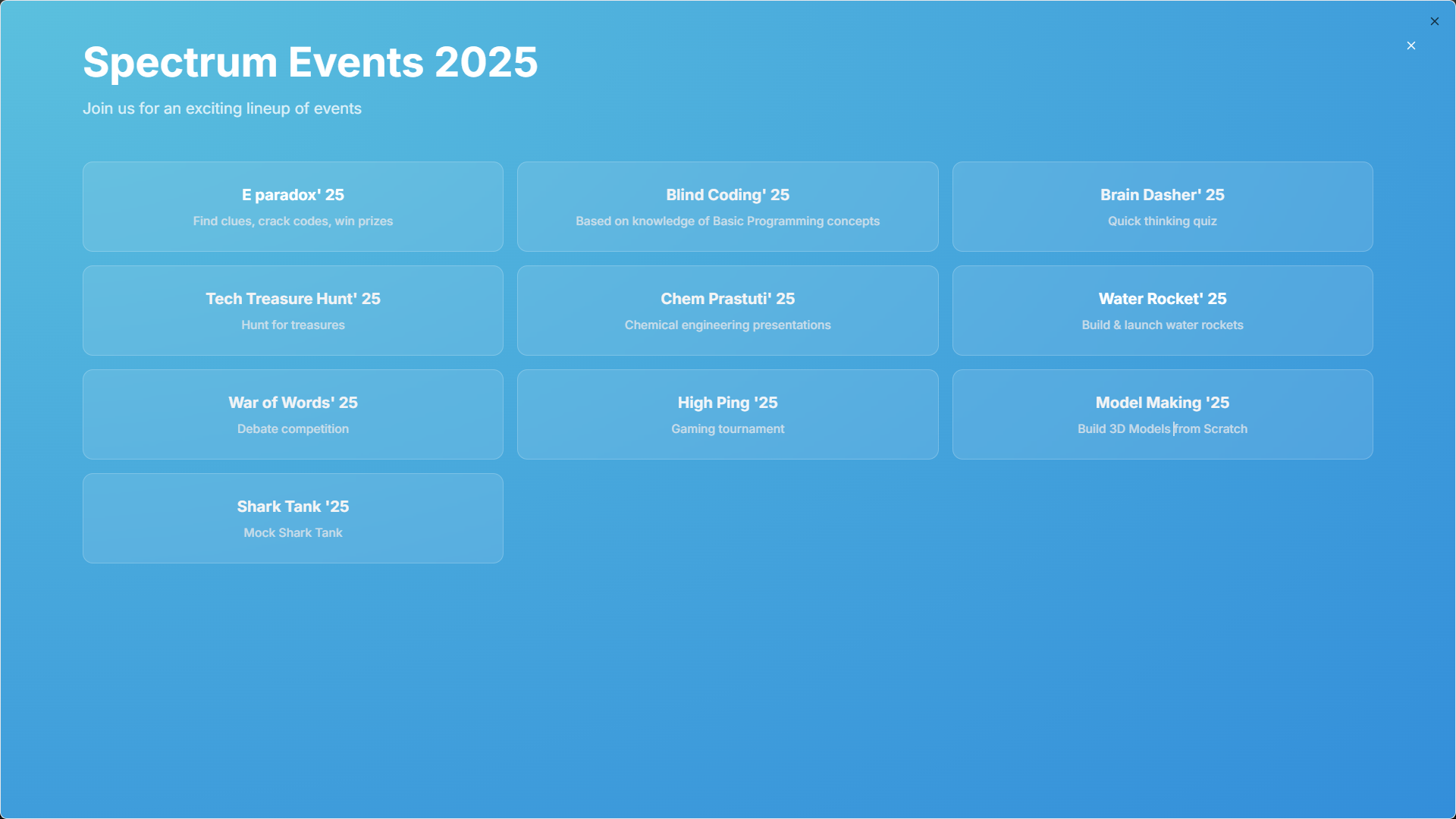
One of the most significant improvements I implemented was transitioning the entire registration and payment system from manual Google Forms and screenshot verifications to a fully integrated online platform. This marked the first time in the event's history that registration, application review, and payments were handled through a single streamlined system.
The new platform allowed participants to:
- Complete their applications with custom profile creation
- Make secure payments directly through the portal
- Receive automatic confirmation and updates
- Track their application status in real-time
This upgrade eliminated countless hours of manual processing and dramatically reduced errors that had plagued previous events.
Developing the Event Dashboard
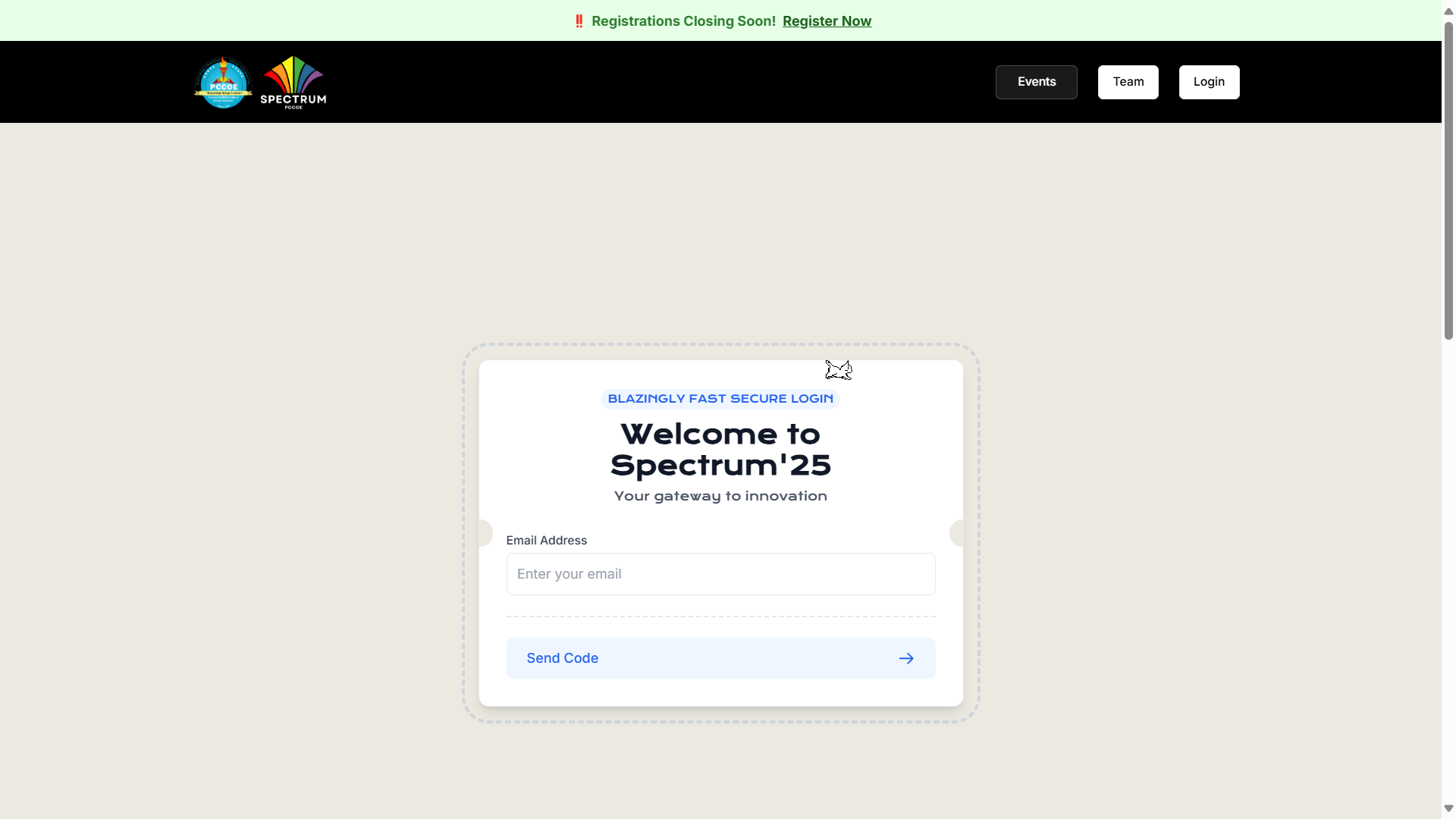
As the Web Lead for the dashboard project, I created a comprehensive system that tracked attendance, event participation, and important announcements. This centralized platform allowed organizers to monitor the event in real-time, giving us unprecedented visibility into how the hackathon was progressing.
The dashboard featured:
- Real-time attendance tracking across all event spaces
- Analytics on workshop and session participation
- Resource allocation monitoring
- Automated notifications for schedule changes
Building the Console Tool
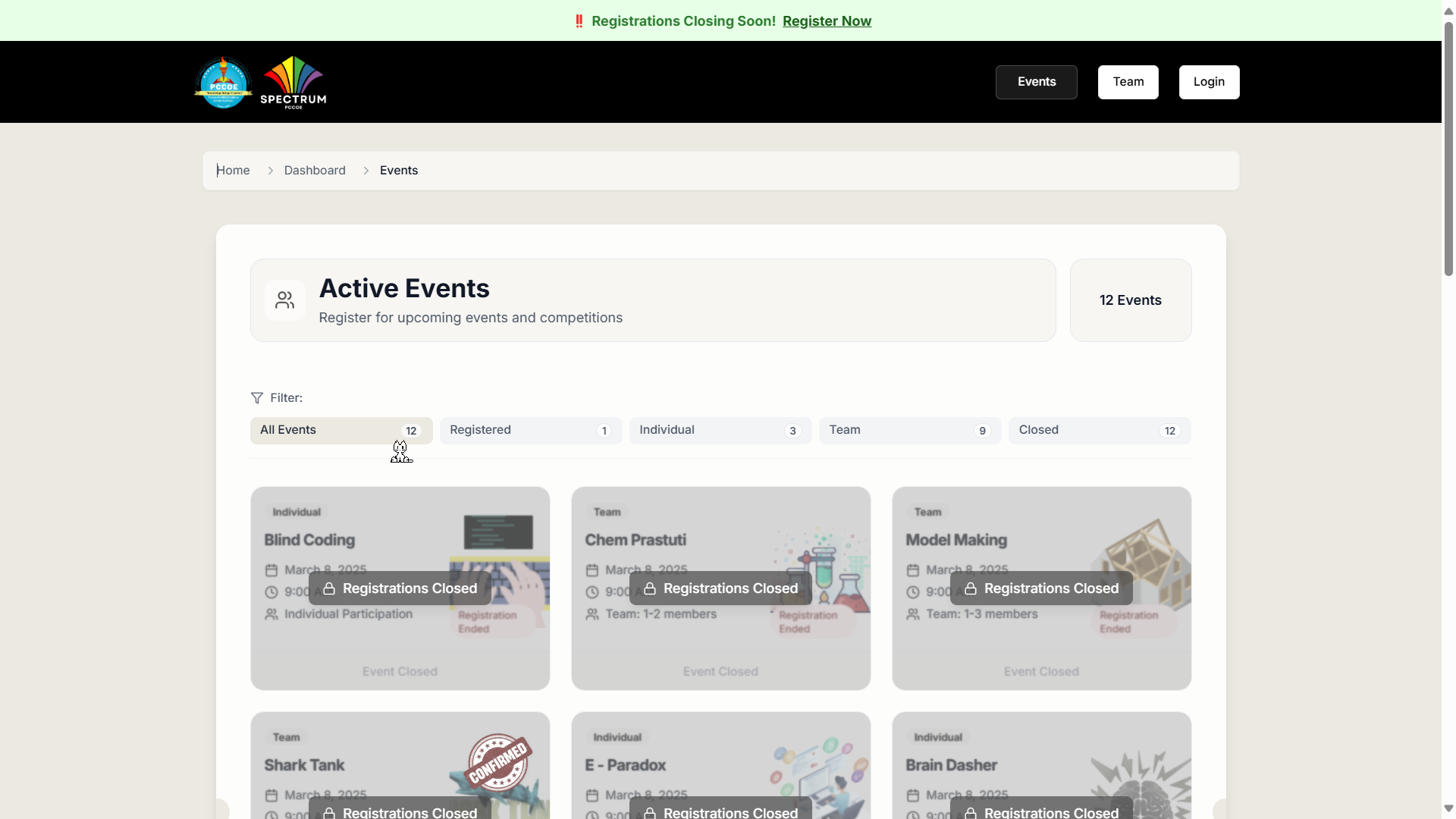
Perhaps the most challenging aspect was developing our custom console tool from scratch. In previous years, the event relied on third-party software for facilitators and event leads, which limited our flexibility and created unnecessary dependencies.
The new console provided:
- Detailed analytics on event participation
- Tools for volunteers to manage their assignments
- Faculty interfaces for overseeing different aspects of the event
- Integrated communication channels for quick problem-solving
This purpose-built system gave us complete control over the event's digital infrastructure and allowed us to quickly respond to emerging needs during the hackathon.
Key Learnings and Engineering Principles
Developing these systems under tight deadlines taught me invaluable lessons about software engineering in high-pressure environments:
Ship Fast, Iterate Continuously
The strict timeline of event planning forced me to prioritize functionality over perfection. I learned to identify critical features, deploy them quickly, and improve incrementally. This approach ensured we always had working systems while continuously enhancing them based on feedback and testing.
Prioritize User Experience
Despite the technical complexity behind these systems, the interfaces needed to be intuitive enough for participants, volunteers, and faculty members with varying technical backgrounds. This forced me to think deeply about UX design even while solving complex backend challenges.
Plan for Scale and Failure
With over 1,000 participants simultaneously using our systems, performance and reliability were paramount. I implemented caching strategies, load balancing, and fallback mechanisms to ensure smooth operation even during peak usage periods.
The Overlooked Importance of QA
Perhaps the most important lesson was how critical thorough testing is. We caught numerous potential issues through rigorous quality assurance, saving us from major problems during the event. The few bugs that did emerge reinforced how valuable comprehensive testing is for event-critical systems.
Looking Forward
Though I won't be returning to organize next year's event, building these systems for Spectrum has been one of the most fulfilling experiences of my career. Taking a major college event from manual processes to a fully integrated digital ecosystem not only improved the experience for everyone involved but also demonstrated what's possible when technical skills are applied to real-world challenges.
The platforms I built will continue to serve as the foundation for future iterations of Spectrum, and I'm excited to see how they evolve in the coming years.